Safety leadership is about people — and systems that work when it matters.
A senior EHS leader with 20+ years across complex operations, measurable performance improvement and a practical approach to safety, health, security and emergency preparedness.
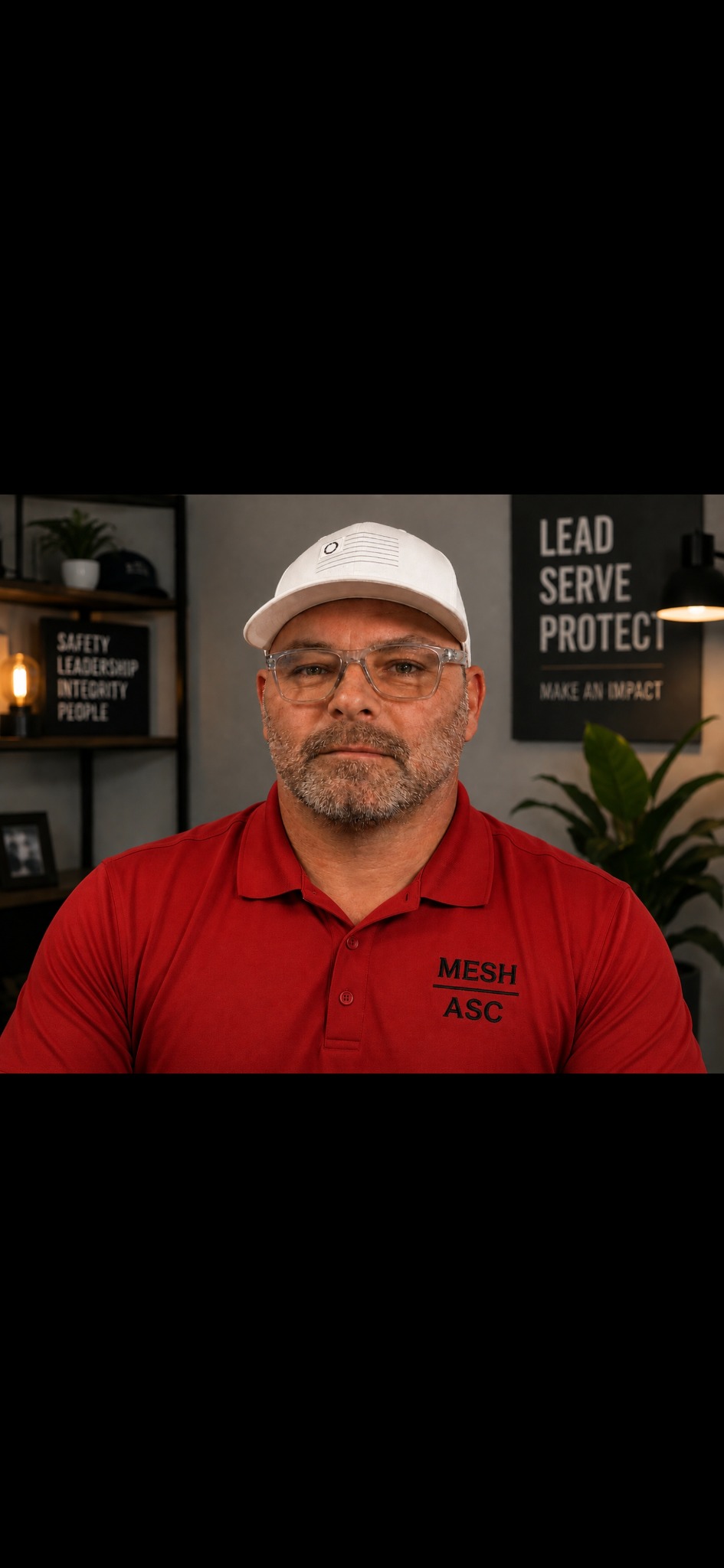
Built in operating environments, not just conference rooms.
Travis Tilley is an Environmental, Health & Safety leader whose career spans manufacturing, food processing, automotive, construction and industrial operations. His work has included multi-site EHS strategy, occupational health, contractor safety, industrial hygiene, environmental compliance, emergency response, workers’ compensation, return-to-work, training and security operations oversight.
His leadership approach is straightforward: understand the work, involve the people doing it, identify what can seriously hurt someone, build controls that operations can actually execute, measure performance and hold the system accountable.
Behind every metric is somebody’s person.
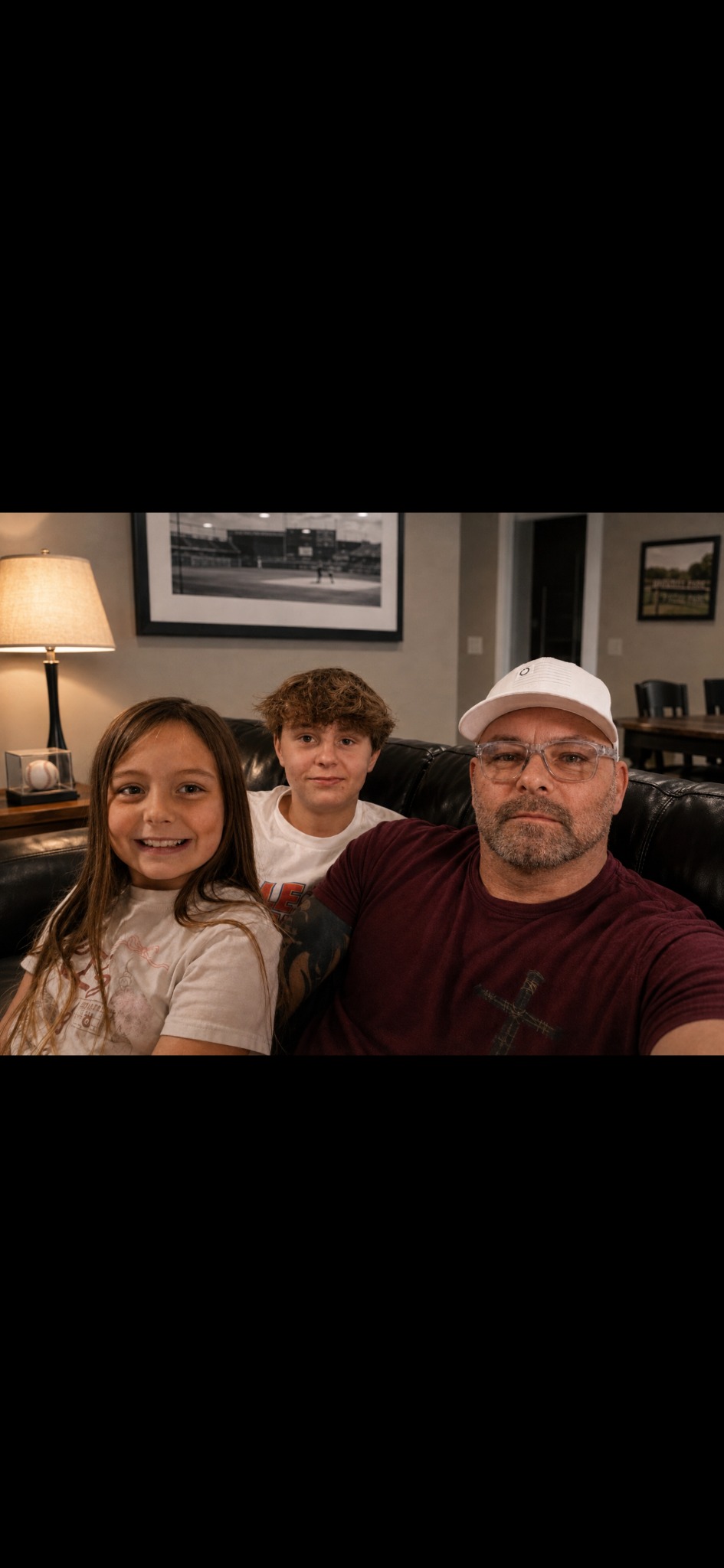
Safety has never been just about regulations, numbers or compliance. Behind every employee is a family and people who expect them to come home.
As a father, that responsibility is personal. The strongest safety cultures are built when leaders never lose sight of the people behind the metrics. Everyone deserves to go home safely to what matters most.
That same philosophy is why this website also includes home, family and emergency-preparedness resources. Risk does not stop at the facility gate.
Leadership principles that translate across industries.
Know the work
Spend time where work happens. Controls must fit the task, environment and workforce.
Focus on serious risk
Prioritize exposures with the potential for life-changing outcomes, not only easy-to-count activity.
Build ownership
Safety improves when operations, maintenance, engineering, HR and employees own the system together.
Use data intelligently
Rates and dashboards matter when they lead to better decisions, not when they become scorekeeping theater.
Verify the fix
Corrective actions are not complete because a box was checked. Verify that risk actually changed.
Prepare before the emergency
Plans, roles, communication and practice matter before the alarm, outage, storm or security event.